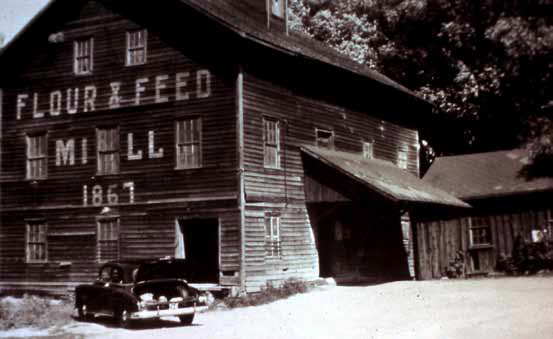
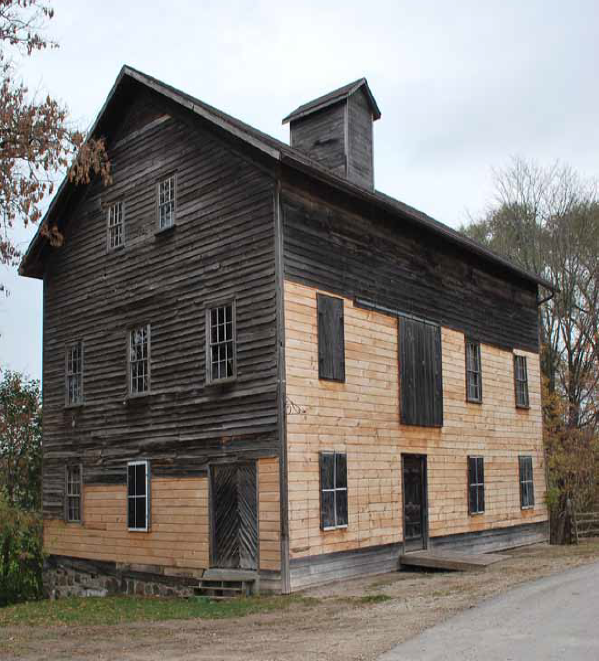
Flour and Feed Mill in Gorrie
Early in the winter of 1855, James and Nathaniel Leech left their parent’s home in Lanark County in eastern Ontario on a tour of southwestern Ontario looking for a river site to build and operate mills. They were very impressed with the Maitland River in the Gorrie area. On their return home, they convinced eight of their ten brothers to form a company and locate it in Gorrie.
The Leech brothers returned to Gorrie in the spring of 1856 and they purchased lots from George Greer. The entrepreneurial Leech brothers worked hard to clear their property of trees, dam the Maitland River and set up an industrial park beside the dam. A sawmill was constructed first and then a shingle mill, grist mill and barrel factory. All the mills were powered by the diverted river water.
Edward and James, both millwrights, oversaw the construction of the various mills. Robert, a carpenter, The Flour and Feed Mill in Gorrie operated the grist mill in Gorrie. A second grist mill was built in Bluevale and it was operated by their brothers, Joseph and William Henry. John marketed grain, produce and cheese.
By summer of 1856 the grist mill in Gorrie was completed in time for the harvest and as many as sixty ox teams were lined up at one time at the mill.
In 1867, with the further influx of settlers to Howick Township and a growing agricultural population, the Leech brothers reconstructed their grist mill moving it upstream to the east side of Victoria Street. They enlarged the building to also house flour making equipment. Instead of a wooden water wheel, more efficient Barber turbines were installed to power the grist and flour machinery. At its peak production the mill produced 150 barrels of flour a day plus custom work for local farmers. Six men were employed in the cooper shop making barrels to ship the flour overseas. During the two World Wars, the flour shipped to Great Britain from Canada was vital to the survival of the British people.
The Leech brothers were the most influential family in the development of Gorrie as a thriving settlement. In addition to their mills, they built the main street business block, the Methodist (now the United) Church and houses for their growing families. Another valuable contribution to the community was their overseeing of the construction of a new school.
In the 1870s there was a wide spread recession in southwestern Ontario and, as the Howick Township economy was still fragile, business owners faced financial hardship and bankruptcy.
The Leech family sold the flour/grist mill to William Dane in 1879. Many family members left the area for western Canada and USA.
Over the years there were further owners of the Mill: E. Rockey, William B. Elliott, George Stinson, Alex and John Hamilton, Justin Steinmiller and Benjamin Maguire.
 Many locals remember the last miller, Benjamin Maguire, who owned the mill from 1922 to 1961. He was an infamous bachelor who always had candy and pennies for the village children and entertained friends in his heated office. He often played pool with his cronies leaving Tom Short, his only employee, to run the mill business.
With the changing times of farm modernization and in ill health, Ben Maguire closed the mill’s doors in 1961. Maitland Valley Conservation Authority (MVCA), which had been formed in 1951, took ownership of the Gorrie dam, park area and the mill.
MVCA used the mill initially as an office for their staff member, John Hazlitt, and then for storage.
A small group of Howick volunteers formed the Maitland Mill Association in 1996 with the goal of restoring the mill. The volunteers viewed the mill as ‘a diamond in the rough’. There are only six mills left on the Maitland River. Of these six, the mill in Gorrie is the only one in its original condition with all its machinery and equipment and publicly owned.
The volunteers hoped that a restored mill would again act as an economic catalyst for the community and also be a source of pride in our agricultural and industrial history.
 The volunteers cleaned the mill building and the turbine bay. Repairs were made to the south foundation wall. All thirty-two windows were replaced with financial assistance from the Canadian Society for the Preservation of Old Mills. As well, the volunteers held many fundraisers with their annual Polar Bear Dip causing the biggest splash!
The Maitland Mill Association, challenged with a dwindling and aging membership, was dissolved in 2006. The organization’s funds were entrusted to MVCA for repairs to the Mill. In 2008, some of these funds were used to pay for the milling of new board siding that was installed by volunteers.
Although MVCA recognizes the historical importance of the mill building and its machinery, it has limited funding. MVCA welcomes all assistance, either volunteers or donations, with the upkeep and restoration of the mill and its machinery.
Rosemary Rognvaldson and Linda Henhoeffer
Huron Historical Notes
Huron County Historical Society
*** A Postscript to this story ***
June of 2017, eight inches of overnight rainfall resulted in a massive flood that took out a large portion of the berm that was part of the Gorrie dam structure. The flood also caused considerable damage to the Mill’s foundation. This left the Mill unstable and unprotected from damage from future floods. After unsuccessful negotiations to sell the mill building, it was ultimately taken down in 2021.
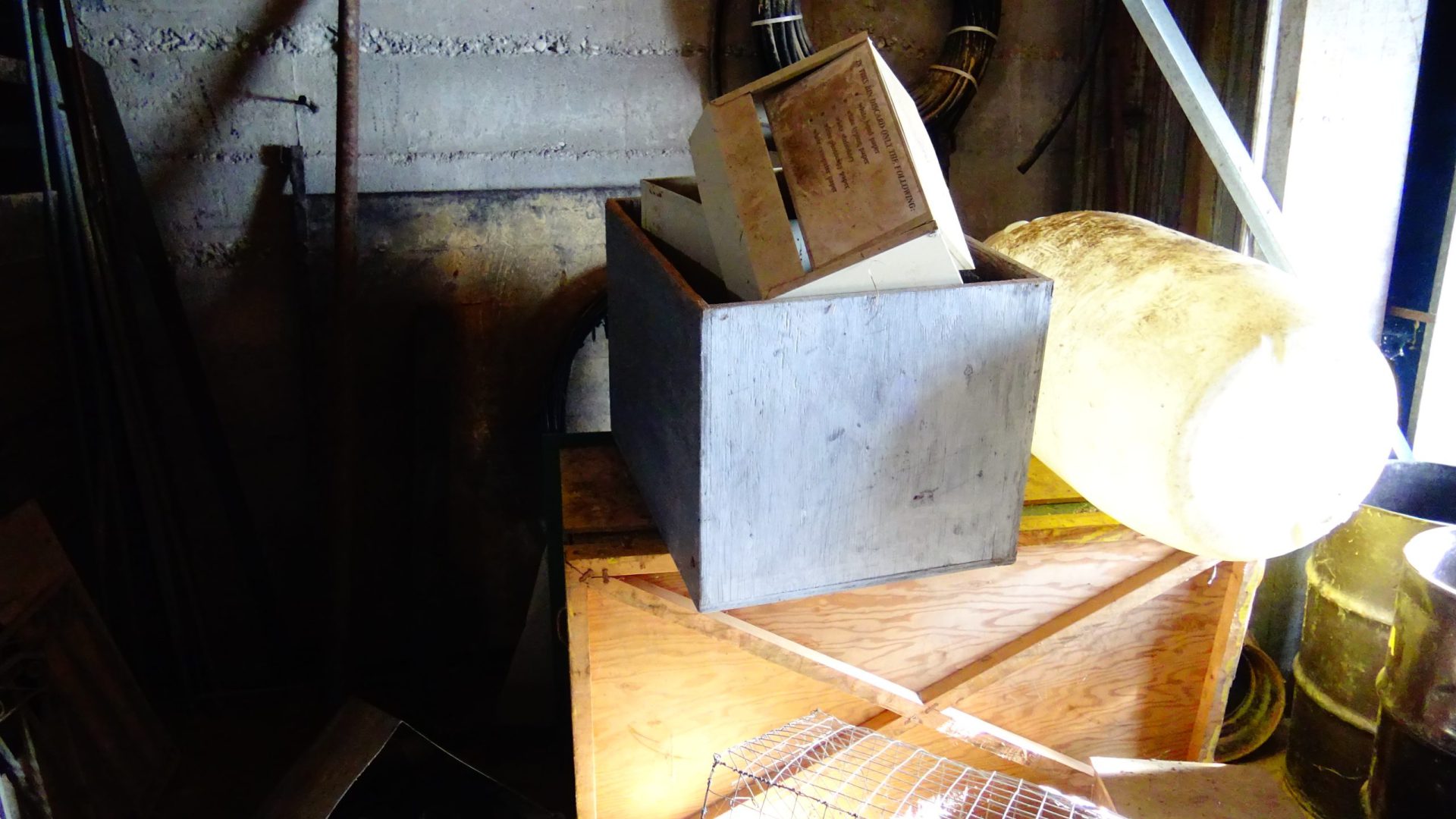
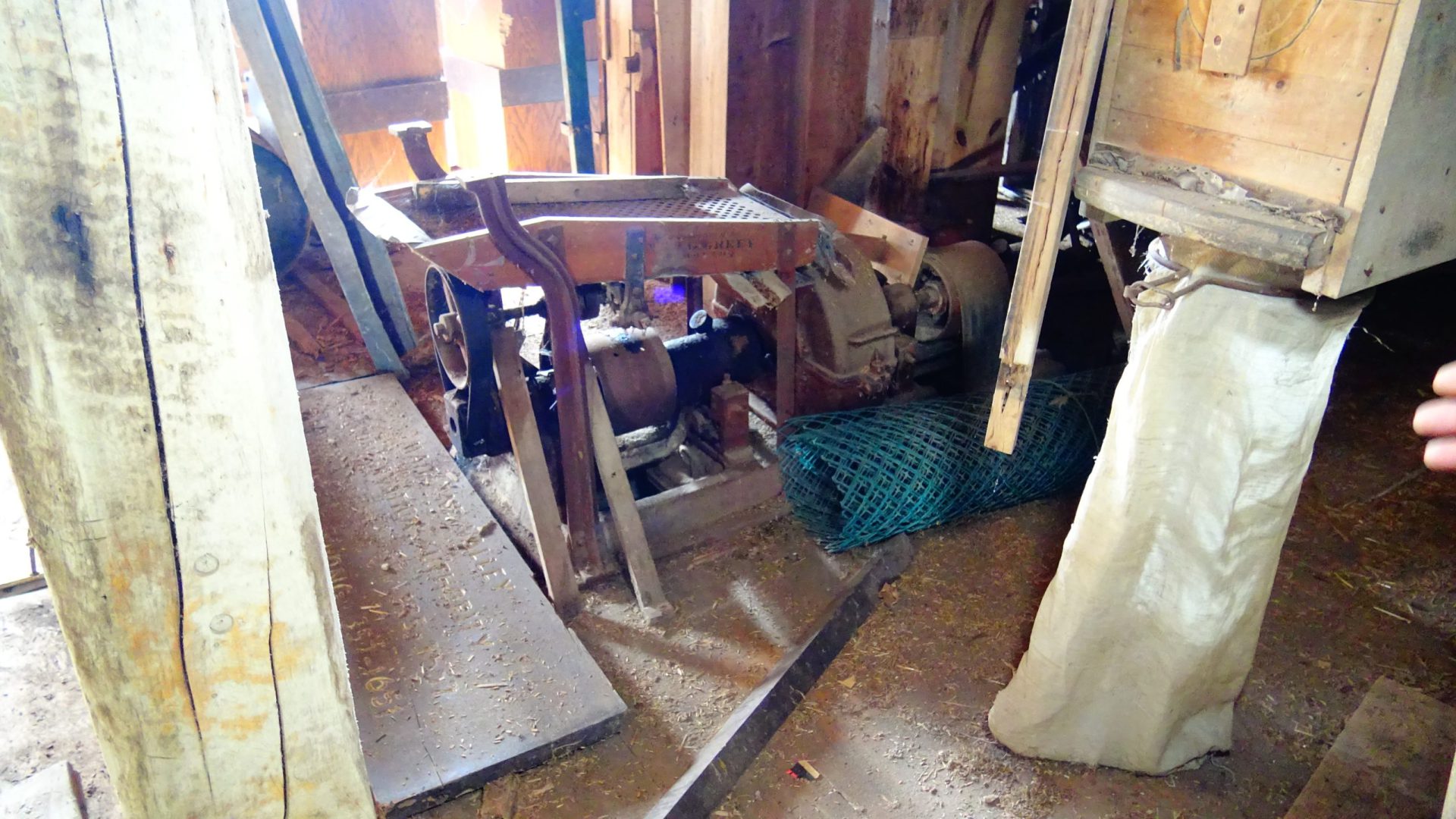
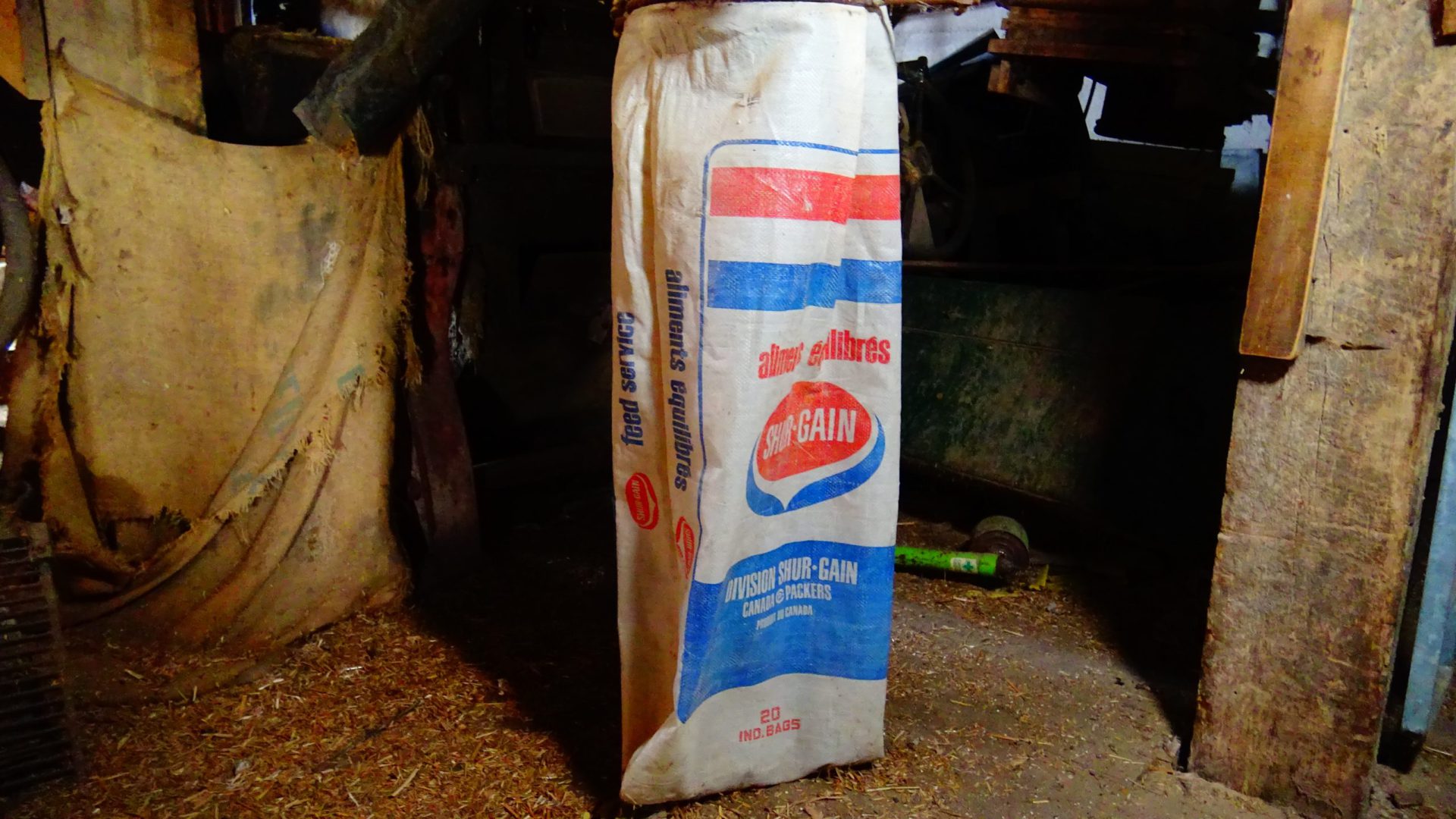
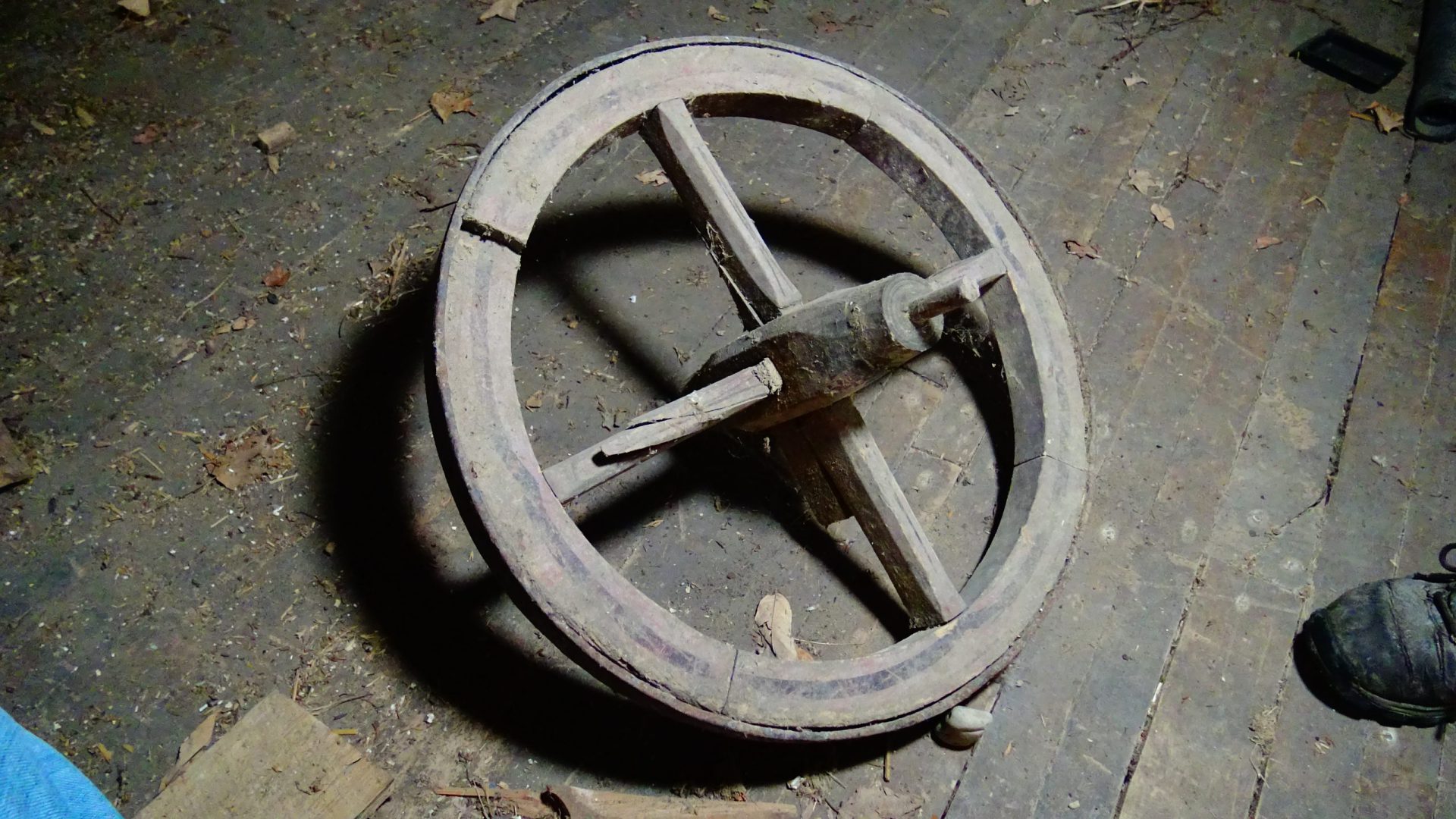
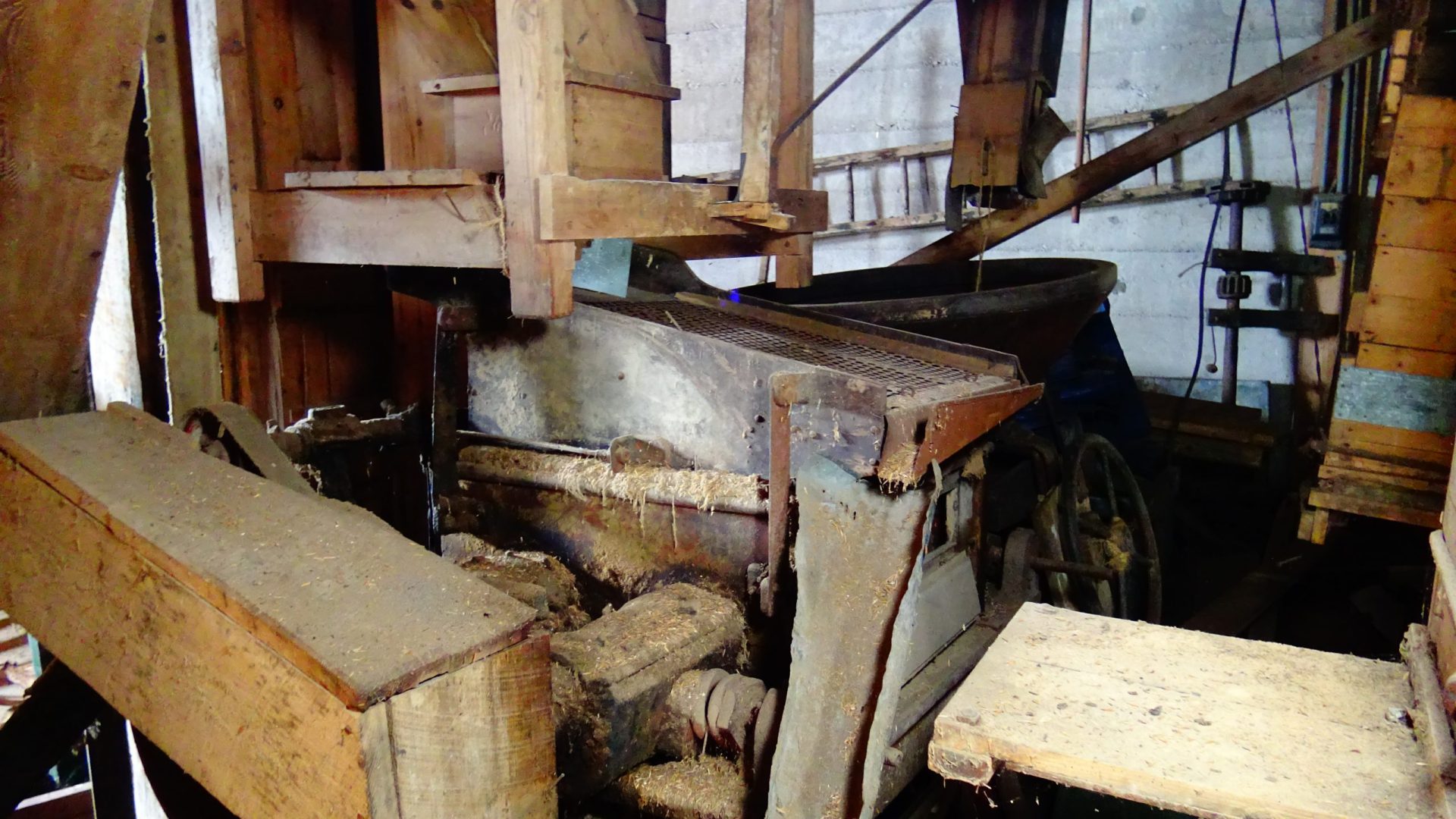
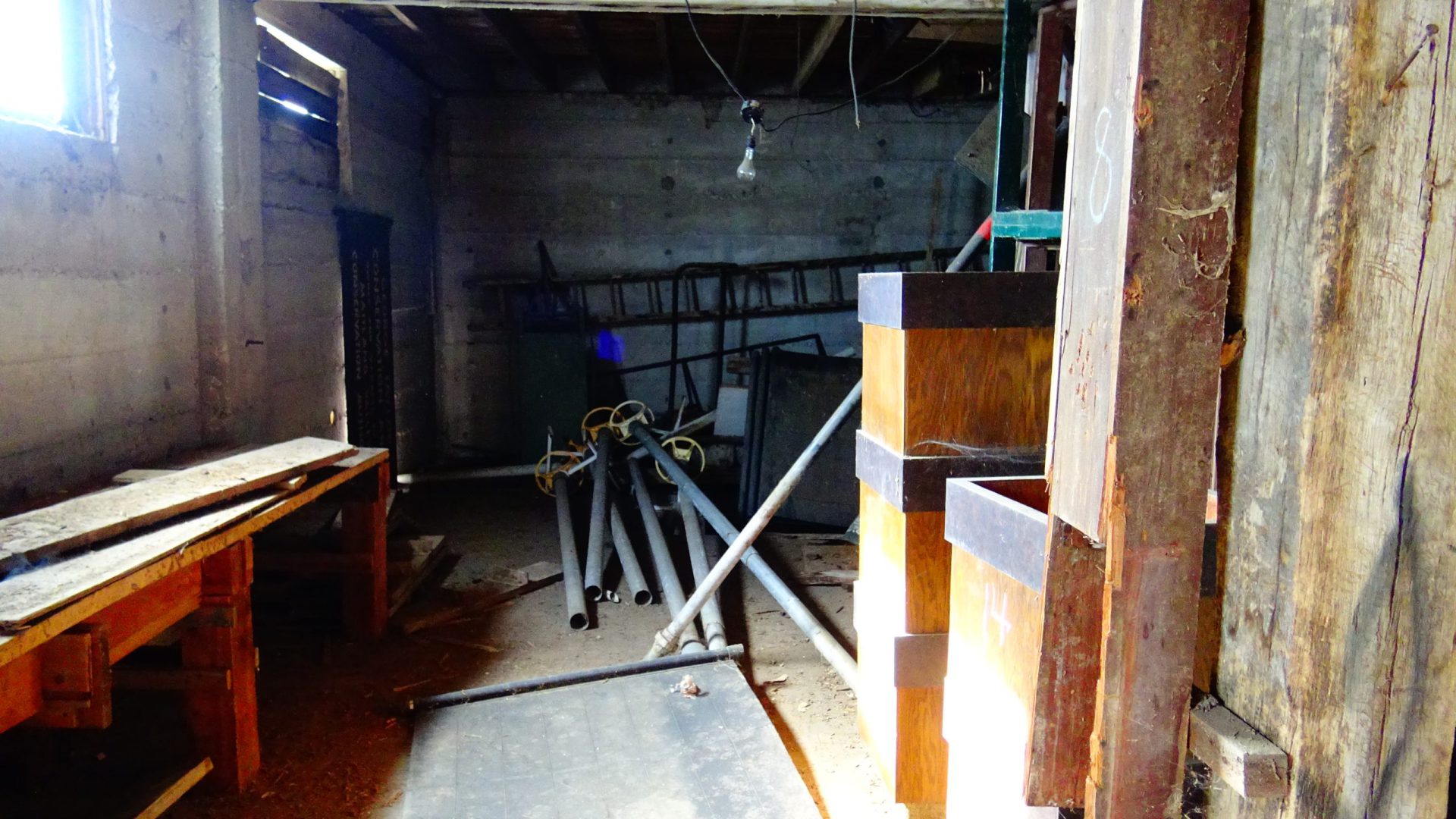
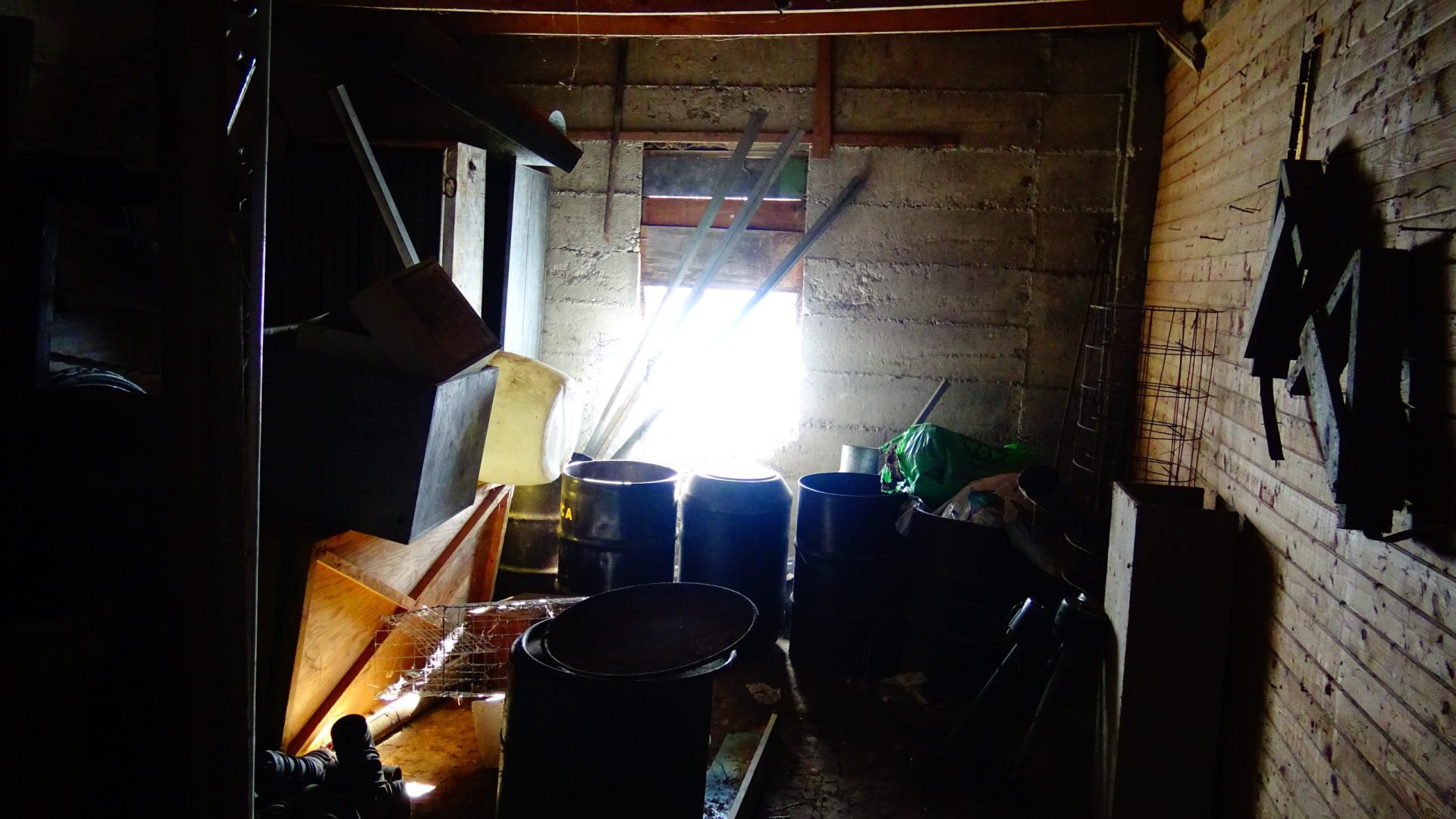
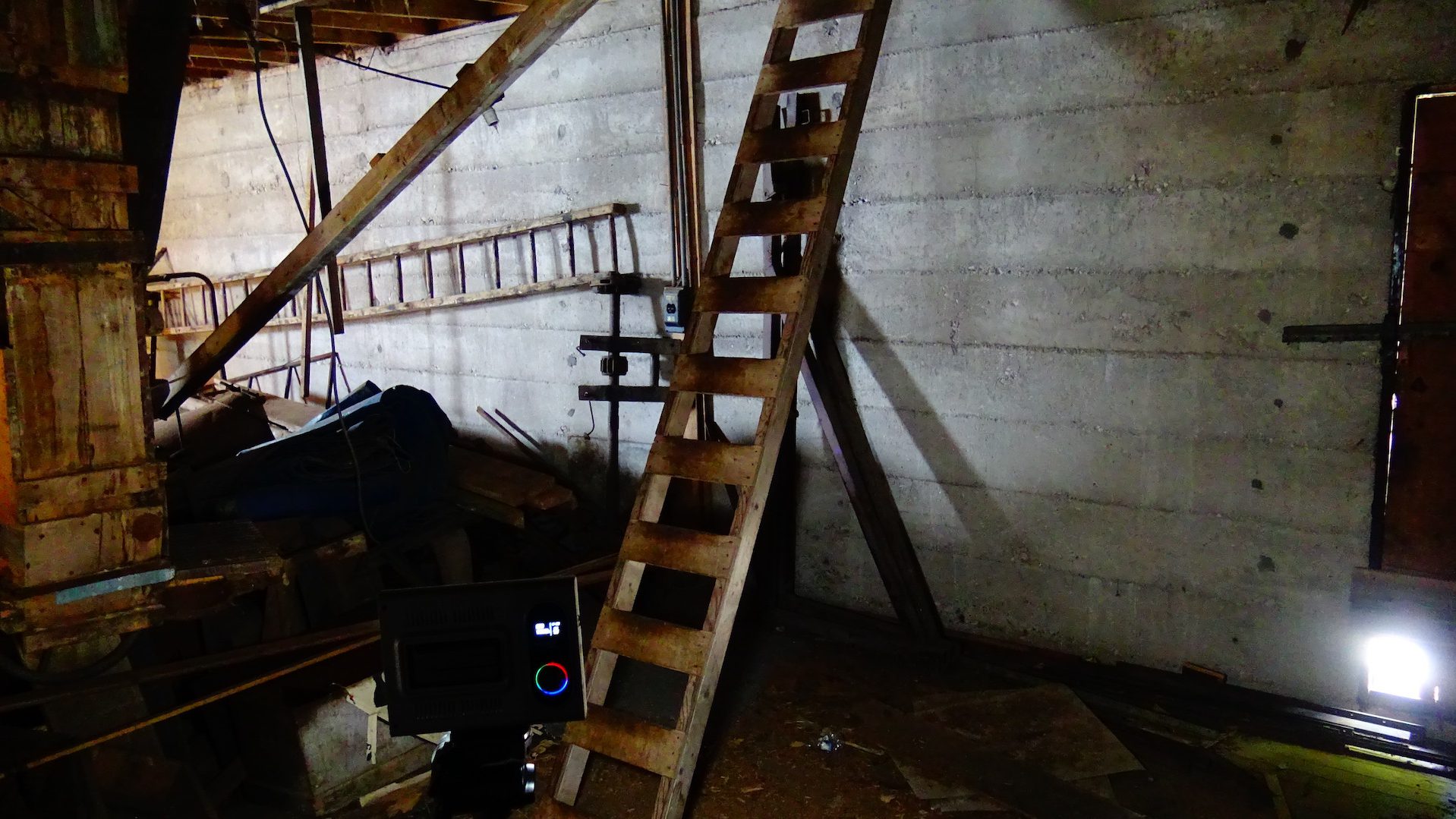
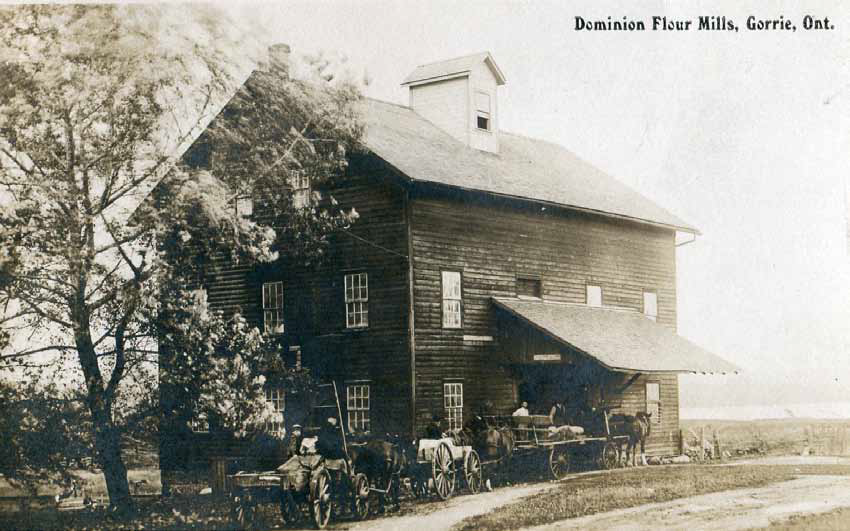 The dam and flour mill still exist in the village of Gorrie and are easily accessible. The first dam and grist mill at Gorrie were built in 1856 by the Leech Brothers on land purchased from George and Robert Greer. The original mill was situated on Lot 172 shown on the plan of the Village of Howick dated May 15, 1856 by provincial land surveyor Wm. Rath. The plan also shows the sawmill located right at the dam which would indicate that logs for the sawmill were delivered to the site by water. This area was forested with maple, Eastern hemlock, pine, tamarack, cedar, and elm.
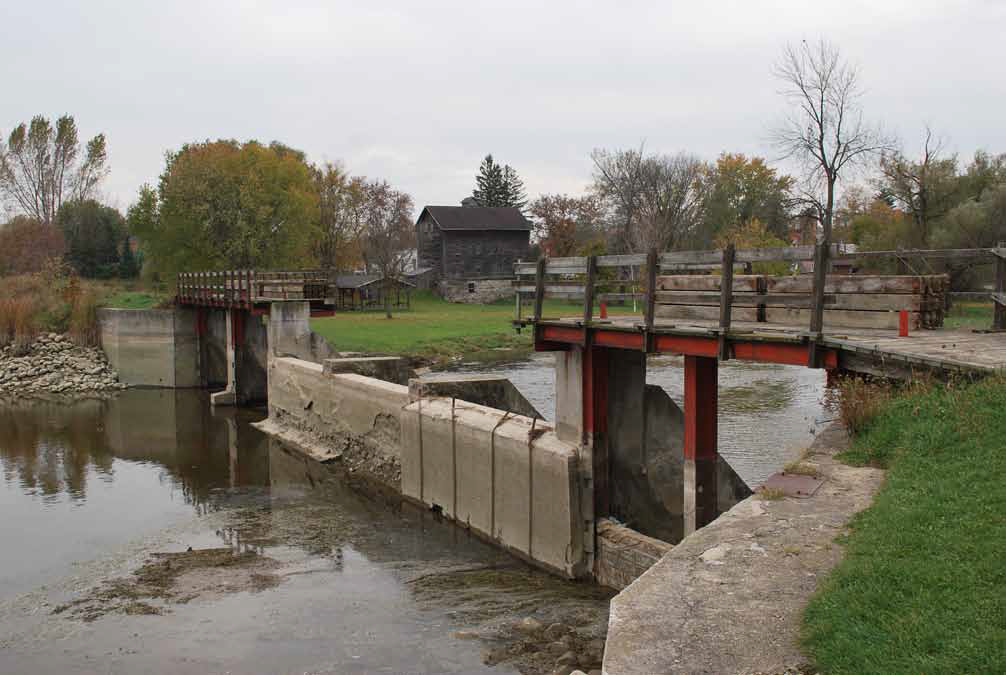 This dam, complete with concrete structure, stoplog controls, earthworks, large headpond and headrace with controls, debris screen, two water turbines, flour mill, and tailrace still exists and all appear in good condition. A volunteer group raised funds to keep the mill from falling into a state if disrepair but was disbanded in 2006. Siding was repaired in 2008. The mill’s fate remains a source of concern.